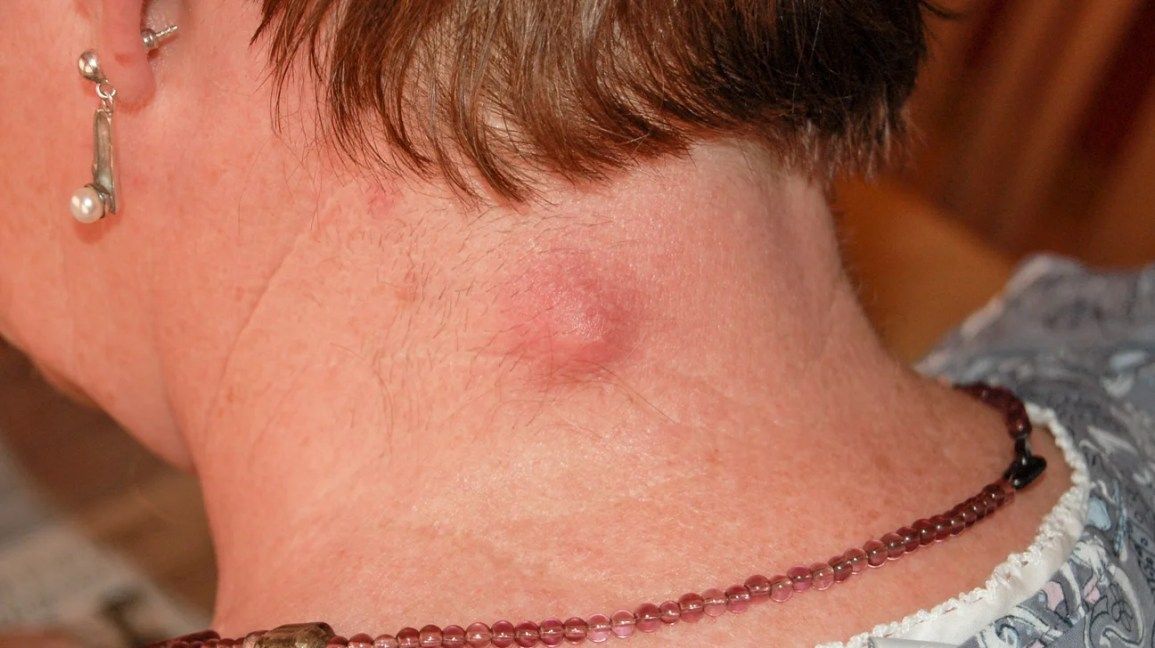
Finding a lump in your neck is unsettling, even more so when it doesn't
hurt. Most people assume pain is a warning sign and its absence means
everything is fine. It's actually the opposite pattern that doctors pay closer
attention to. A lump that doesn't hurt and doesn't go away is often the one
worth getting checked.
That doesn't mean every painless neck lump is serious. Far from it.
Infections, cysts, and reactive lymph nodes cause the vast majority of neck
swellings, and most clear up within a couple of weeks without any long-term
consequence.
This guide explains what typically causes a neck lump, which features
separate a harmless swelling from one that needs specialist evaluation, and
what the diagnostic process actually looks like so you know what to expect if
you do need to see a doctor.
Why a Neck Lump Isn't Always Cause for Alarm
The neck contains dozens of lymph nodes, small glands that are part of
the immune system. Their job is to filter fluid and trap bacteria, viruses, and
abnormal cells passing through the lymphatic system. When the body fights an
infection anywhere in the head, throat, ears, or scalp, nearby lymph nodes in
the neck can swell as they respond. This is called reactive lymphadenopathy,
and it's the most common reason people notice a lump in the neck.
A swollen lymph node from infection is usually soft, mobile under the
skin, and tender to touch. It tends to appear alongside other symptoms such as
a sore throat, cold, ear infection, or dental issue, and it shrinks back to
normal once the underlying infection resolves.
Common Harmless Causes (Infections, Cysts, Reactive Nodes)
Several conditions account for most neck lumps that turn out to be
nothing serious:
- Upper
respiratory infections such as tonsillitis, pharyngitis, or the common cold, which
commonly cause reactive lymph nodes
- Dental
infections or abscesses, which can swell the lymph nodes
under the jaw
- Sebaceous or
epidermoid cysts, small pockets under the skin that form when a gland gets blocked
- Lipomas, soft fatty
lumps that grow slowly and are almost always benign
- Viral
infections like glandular fever (infectious mononucleosis), which can cause
noticeably swollen glands on both sides of the neck
In all of these cases, the lump usually follows a predictable pattern: it
appears alongside a clear trigger, stays roughly the same size or fluctuates,
and settles down within a couple of weeks. When that pattern holds, there's
rarely a reason for concern.
The Warning Signs That Change the Picture
Not every neck lump follows the pattern above, and a small number turn
out to need further investigation. What matters most isn't the presence of a
lump itself, but how it behaves over time.
Size, Growth Rate, and Texture
Doctors look closely at three physical features when assessing a neck
lump:
- Size. A lump larger
than about 1 to 1.5 cm that isn't shrinking is generally worth a
professional look, particularly in adults.
- Growth rate. A lump that is
steadily getting bigger over days or weeks, rather than staying the same
size, is a more significant finding than one that appeared suddenly and
has stayed static.
- Texture and
mobility. A soft, mobile lump that moves easily under the skin when touched
is far less concerning than one that feels hard, fixed to the underlying
tissue, or irregular in shape.
None of these features alone confirms a serious cause. But when a lump is
firm, fixed, and enlarging at the same time, it's a combination that warrants
prompt evaluation rather than a wait-and-see approach.
Duration: Why "More Than 2-3 Weeks" Matters
Most reactive lymph nodes resolve within two to three weeks as the
underlying infection clears. This window is the general guideline doctors use
because it separates the vast majority of ordinary, self-limiting swellings
from the smaller number that need investigation.
A neck lump that persists beyond this timeframe, especially one that
hasn't changed in response to the infection resolving, is generally considered
persistent neck swelling and is a reasonable trigger to book an appointment.
This doesn't mean something is definitely wrong. It means the lump has moved
past the point where "wait and watch" is the sensible default.
Painless vs Painful Lumps: What the Difference Actually Means
It's a common assumption that pain signals danger and its absence means
safety. With neck lumps, the relationship is more nuanced.
Pain usually points toward an active infection or inflammation. When a
lymph node swells rapidly in response to bacteria or a virus, the surrounding
tissue becomes inflamed, which is what produces tenderness. This is
uncomfortable, but it's also the body's immune system working as expected, and
these lumps typically resolve as the infection clears.
A painless lump that grows slowly and steadily, without any accompanying
infection, follows a different biological process. Slow, silent growth without
inflammation is a pattern associated with several conditions that require
diagnostic evaluation to rule out, including chronic infections, benign tumors,
and in a smaller number of cases, malignancy.
This is why a lump in the neck with no pain shouldn't be dismissed just
because it isn't bothering you day to day. The absence of discomfort isn't
reassurance on its own. What matters is whether the lump is shrinking, staying
the same, or growing, and for how long it has been present.
How Doctors Evaluate a Neck Lump
If a neck lump doesn't resolve within the expected window, or shows any
of the warning features described above, the evaluation process is typically
straightforward and non-invasive at the initial stages.
Physical Examination and History
The first step is a clinical examination combined with a detailed
history. The doctor will typically ask about:
- How long the
lump has been present and whether it has changed in size
- Any associated
symptoms such as fever, night sweats, unexplained weight loss, voice
changes, or difficulty swallowing
- Habits such as
tobacco, gutka, or alcohol use, which are relevant risk factors for head
and neck conditions
- Recent
infections, dental problems, or travel history
During the physical exam, the doctor checks the size, texture, mobility,
and location of the lump, and often examines the mouth, throat, and other lymph
node groups to build a complete picture.
Ultrasound and FNAC Biopsy
If the history and examination don't point to an obvious infectious
cause, or if the lump has features that warrant a closer look, imaging is
usually the next step.
An ultrasound of the neck is typically the first investigation. It's
quick, non-invasive, and gives useful information about the size, structure,
and blood flow pattern of the lump, helping the doctor distinguish between a
cyst, a reactive lymph node, a thyroid nodule, and other possible causes.
If the ultrasound findings are inconclusive or suspicious, the next step
is often an FNAC biopsy (fine needle aspiration cytology). This involves using
a thin needle to collect a small sample of cells from the lump, which are then
examined under a microscope. It's a well-established, minimally invasive way to
determine whether the tissue is reactive, infectious, or requires further
evaluation for malignancy.
When a Specialist Opinion Is Recommended
A general physician or an ENT (ear, nose, and throat) specialist is often
a reasonable first point of contact for a neck lump, particularly when there's
a likely infectious cause. However, a specialist opinion becomes more important
when:
- The lump has
persisted beyond three to four weeks without shrinking
- It is hard,
fixed, or growing
- FNAC or imaging
results are inconclusive or suggest further investigation is needed
- The person has
known risk factors, such as long-term tobacco or gutka use
In these situations, seeing a head and neck specialist earlier rather
than later helps avoid delays in reaching a clear diagnosis, which matters for
treatment planning if the cause does turn out to be something that needs prompt
management.
Who Should Get It Checked Sooner
While most neck lumps in the general population are harmless, certain
groups have a lower threshold for seeking evaluation, simply because their
baseline risk profile is different.
Tobacco or Gutka Users
Tobacco and gutka use, in any form, is one of the most significant risk
factors for cancers of the mouth, throat, and neck region. A painless,
persistent neck lump in someone with a history of tobacco or gutka use deserves
earlier evaluation than the same lump in someone without that history,
particularly if it appears alongside other symptoms such as a mouth ulcer that
won't heal, difficulty swallowing, or a change in voice.
Age 40+ With a New Lump
The likelihood that a persistent neck lump has a serious underlying cause
increases with age. A new lump appearing after age 40, especially one that is
painless and doesn't resolve within a few weeks, is generally treated with a
lower threshold for investigation compared to the same finding in a younger
adult or child, where reactive lymph nodes from common infections are far more
likely.
Neither of these factors means a lump is automatically serious. They
simply mean the sensible approach is to get it looked at sooner rather than
adopting a longer wait-and-watch period.
What Happens After Diagnosis
Once the evaluation is complete, the path forward depends entirely on
what's found.
If the lump turns out to be reactive or infectious, treatment usually
addresses the underlying cause, such as antibiotics for a bacterial infection
or dental treatment for an abscess, and the lump resolves as the infection
clears.
If imaging identifies a cyst or a benign growth like a lipoma, these are
often monitored or removed through a straightforward procedure if they're
causing discomfort or growing.
If FNAC or biopsy findings point toward a lymph node affected by cancer
spread, or a primary tumor in the neck, the next steps typically involve
further staging investigations to understand the extent of the disease,
followed by a discussion of treatment options with a head and neck cancer
specialist. In some cases, this includes a neck dissection, a surgical
procedure to remove affected lymph nodes, as part of the broader treatment
plan.
The key point across all of these outcomes is that an early, accurate
diagnosis gives the most options. Delaying evaluation of a persistent neck lump
doesn't change what's causing it, it only delays the point at which appropriate
treatment can begin.
FAQ
Is a painless lump in the neck always cancer?
No. Most neck lumps, especially in younger people, come from infections
or reactive lymph nodes and resolve on their own.
How long can a lymph node stay swollen before it's a concern?
If a lump persists beyond 2-3 weeks without shrinking, it's worth getting
evaluated, even if it doesn't hurt.
Why are painless lumps sometimes more concerning than painful ones?
Painful lumps are often linked to infection. Painless, gradually growing
lumps are more commonly associated with conditions that need further
investigation, including malignancy.
What tests are used to diagnose a neck lump?
Doctors typically start with a physical exam, followed by ultrasound and,
if needed, an FNAC (fine needle aspiration cytology) to determine the exact
cause.
Should I see an ENT or a cancer specialist for a neck lump?
An ENT is a reasonable first stop, but if the lump is persistent, hard,
or growing, a head and neck cancer specialist can rule out serious causes early
and avoid delays in referral.