• -----------
  • +91 9811122341
Chat on WhatsApp
Expert Head & Neck Cancer Care

Head & Neck Surgical Oncology in Delhi NCR

Comprehensive surgical treatment for head and neck cancers with a focus on tumour removal, organ preservation, reconstruction, and improved functional outcomes.

Request an Appointment

Please fill out the form below to book your consultation layer.

Best Reconstruction After Cancer Surgery in Delhi NCR

Removing a head and neck tumour is only part of the treatment. When cancer surgery affects speech, swallowing, chewing, or appearance, reconstruction becomes essential. Dr. Karan Gupta, a leading Head & Neck Reconstructive Surgeon in Delhi NCR, performs local, regional, and microvascular free flap reconstruction as part of the original cancer surgery, helping restore both function and appearance.

What Is Reconstruction After Cancer Surgery?

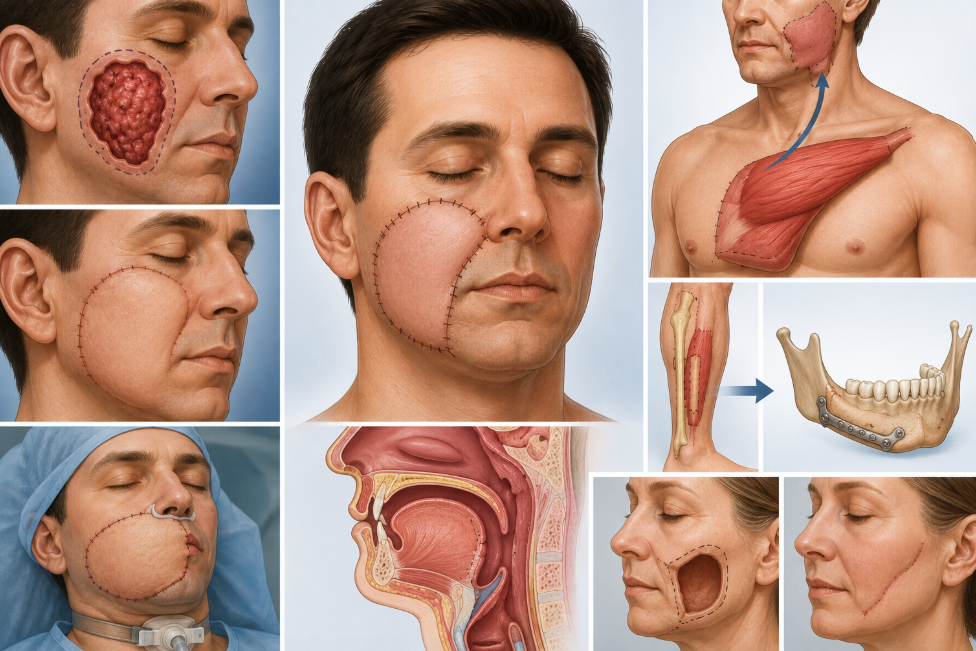
Reconstruction after cancer surgery restores tissues removed during treatment for head and neck cancers. Depending on the defect, it may involve rebuilding the tongue, jawbone, throat lining, facial skin, or other structures using the patient's own tissue.

Tissue is transferred from another part of the body using local flaps, regional flaps, or microvascular free flap reconstruction to restore speech, swallowing, chewing, breathing, and facial appearance.

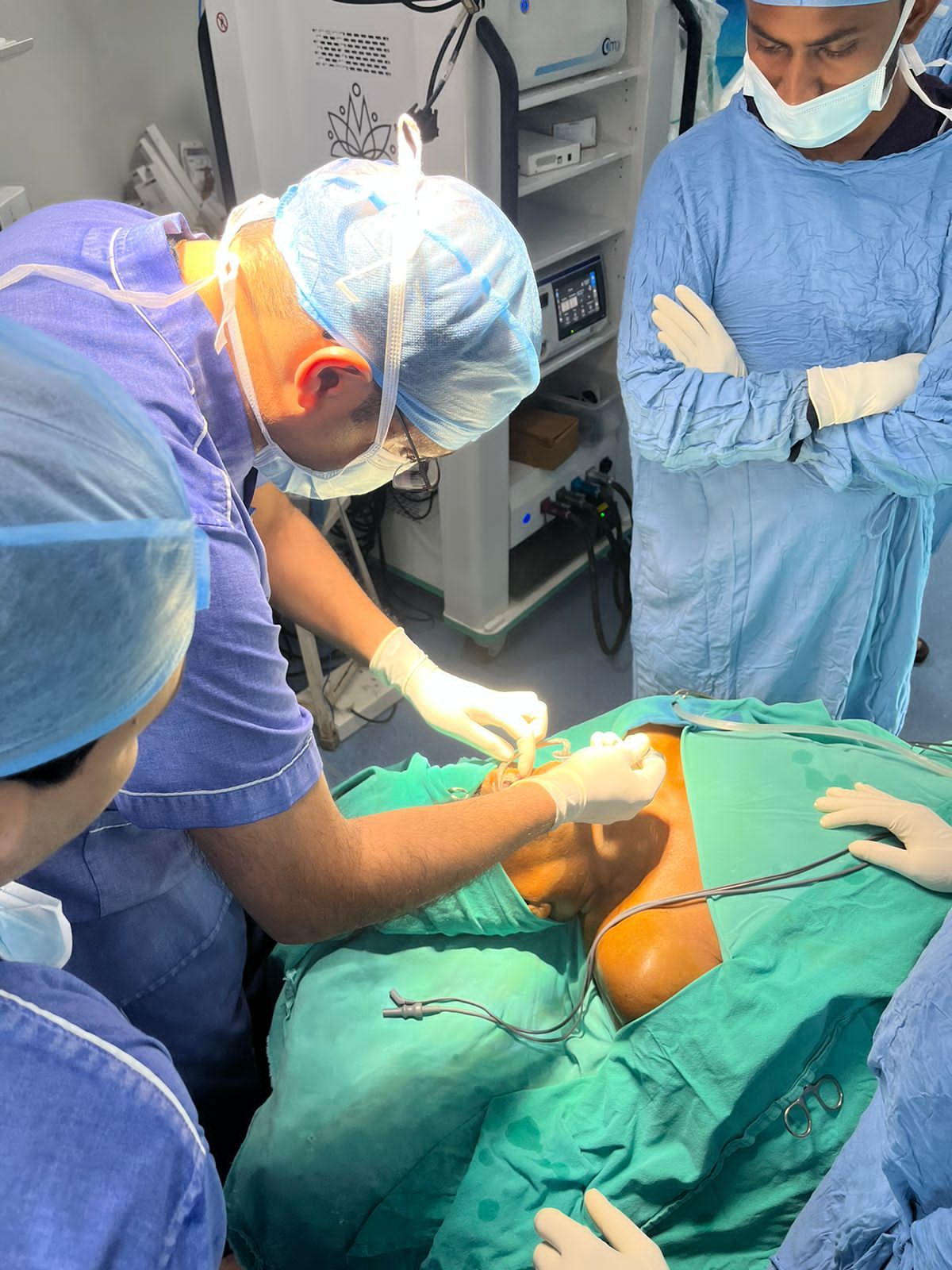
Reconstruction is carefully planned alongside tumour removal and is usually performed during the same operation, allowing patients to achieve the best possible functional and cosmetic recovery.
Best Reconstruction After Cancer Surgery in Delhi NCR - Dr. Karan Gupta

Local and Regional Flap Reconstruction

Reconstructive surgery follows a stepwise approach, often referred to as the reconstructive ladder. The technique selected depends on the size, location, and complexity of the defect, ensuring every patient receives the most appropriate reconstruction for optimal function and appearance.

Primary Closure & Skin Grafts

Small and less complex defects can often be treated with direct wound closure or skin grafts, providing effective reconstruction with minimal additional surgery.

Local Flap Reconstruction

Local flaps use tissue immediately next to the defect while preserving its natural blood supply, making them an excellent option for carefully selected smaller reconstructions.

Regional Flap Reconstruction

Regional flaps, particularly the Pectoralis Major Myocutaneous (PMMC) flap, transfer tissue from the chest while maintaining its original blood supply. They remain a reliable option when free flap reconstruction is unsuitable or as an effective backup technique.

For larger or more complex head and neck defects—especially those involving bone or multiple tissues—local and regional flaps alone may not provide adequate restoration. In these situations, microvascular free flap reconstruction has become the preferred approach for achieving the best functional and cosmetic outcomes.

Microvascular Free Flap Reconstruction

Microvascular free flap reconstruction is the gold standard for restoring complex head and neck defects following cancer surgery. Healthy tissue, along with its blood vessels, is transferred from another part of the body and reconnected under a microscope to rebuild form and function.

Radial Forearm Free Flap

A thin, flexible flap taken from the forearm, commonly used to reconstruct the tongue, floor of the mouth, and throat lining. It provides excellent pliability and can also include a small segment of bone for selected jaw defects.

Fibula Free Flap

Considered the workhorse for jaw (mandible) reconstruction, the fibula free flap provides a long segment of vascularised bone that can be shaped to recreate the jaw, with the option for a skin paddle and future dental implants.

Anterolateral Thigh (ALT) Flap

Harvested from the thigh, the ALT flap provides a larger volume of soft tissue than the radial forearm flap, making it ideal for extensive or composite head and neck defects while offering a favourable donor site.

Advanced Microsurgical Reconstruction

During free flap surgery, tissue and its blood vessels are completely detached and reconnected to neck blood vessels using microsurgical techniques. Modern free flap reconstruction has high success rates and is a well-established standard of care for complex head and neck reconstruction.

Functional and Cosmetic Rehabilitation

Reconstruction is only one part of recovery after head and neck cancer surgery. A comprehensive rehabilitation programme focuses on restoring speech, swallowing, facial appearance, mobility, and confidence, helping patients return to everyday life with the best possible quality of life.

01

Speech & Swallowing Rehabilitation

Specialised therapy helps restore speech and safe swallowing, particularly after reconstruction of the tongue, floor of the mouth, throat, or other critical structures.

02

Dental Rehabilitation

Following jaw reconstruction with a fibula or other bone flap, dental implant planning and oral rehabilitation help restore chewing, speech, and long-term oral function.

03

Physiotherapy

Physiotherapy improves shoulder strength, neck mobility, and overall function, especially after pectoralis major flap reconstruction or neck dissection.

04

Scar Management

Scar care, silicone therapy, massage, and revision procedures, when appropriate, help improve healing, facial symmetry, and cosmetic appearance over time.

05

Facial Nerve Reanimation

When facial movement is affected by cancer or surgery, facial nerve rehabilitation and reanimation procedures are coordinated as part of the overall reconstructive plan.

06

Emotional & Psychological Support

Counselling, family support, and rehabilitation services help patients adapt to changes in appearance, speech, swallowing, and daily life throughout their recovery journey.

Before Your Surgery: What to Expect

Successful head and neck reconstruction begins with careful planning before surgery. Every patient undergoes a detailed assessment to ensure the most appropriate reconstructive technique is selected based on the tumour, expected defect, and overall health.

Comprehensive Surgical Consultation

Your consultation includes a detailed review of the planned tumour resection so reconstruction is planned alongside the cancer surgery rather than as a later procedure.

Assessment of Donor Sites

Potential donor sites such as the forearm, leg, or chest are carefully assessed to evaluate tissue quality, blood supply, and suitability for reconstruction.

Functional Impact Discussion

Your surgeon explains how the planned tumour removal may affect speech, swallowing, chewing, or appearance, and how reconstruction is designed to restore these functions.

Pre-Anaesthesia Assessment

A complete pre-operative evaluation, including blood tests and anaesthesia fitness assessment, helps ensure that surgery is performed as safely as possible.

Reconstruction & Recovery Planning

Dr. Karan Gupta discusses the recommended reconstructive technique, expected recovery, rehabilitation process, and the anticipated functional and cosmetic outcomes.

Recovery After Reconstruction

Recovery after head and neck reconstruction depends on the extent of the original cancer surgery and the type of reconstructive procedure performed. Careful post-operative monitoring and rehabilitation help restore function while supporting safe healing.

Flap Viability Monitoring

During the first few days after surgery, the reconstructed flap is monitored closely to ensure healthy blood flow and successful healing, as flap viability is the primary early concern.

Temporary Feeding Support

If swallowing is affected after reconstruction, a temporary feeding tube may be required until healing allows a safe return to normal eating and drinking.

Donor Site Healing

Healing at the donor site—whether the forearm, leg, or chest—is monitored alongside the reconstructed area to ensure optimal recovery and minimise complications.

Functional Rehabilitation

Speech therapy, swallowing rehabilitation, physiotherapy, and other supportive treatments usually begin once the surgical site has healed sufficiently to restore function.

Additional Cancer Treatment

Depending on the final pathology report, further treatment such as radiation therapy or combined therapy may be recommended to complete the overall cancer treatment plan.

Frequently Asked Questions

Find answers to common questions about reconstruction after head and neck cancer surgery by Dr. Karan Gupta.

A flap is a piece of tissue that may include skin, muscle, fat, and sometimes bone, used to rebuild a defect after tumour removal. Reconstruction may involve a local flap (tissue next to the defect), a regional flap (tissue from a nearby area such as the chest), or a microvascular free flap (tissue transferred from another part of the body with its blood vessels reconnected under a microscope).

Whether reconstruction is required depends on the size and location of the defect left after tumour removal. Small defects may be closed directly, while larger defects involving the tongue, jawbone, throat, or facial tissues often require flap reconstruction to restore both function and appearance. Whenever needed, reconstruction is planned as part of the same cancer operation.

A regional flap, such as the Pectoralis Major Myocutaneous (PMMC) flap, remains attached to its original blood supply while being moved into the surgical defect. A free flap is completely detached with its blood vessels and reconnected to blood vessels in the neck using microsurgery. Free flaps are generally preferred for larger or more complex defects because they offer greater flexibility and more precise reconstruction.

Flap reconstruction is a well-established and highly successful part of modern head and neck cancer surgery. Published studies report high success rates for microvascular free flap reconstruction. Although complications such as reduced blood flow or the need for additional surgery can occasionally occur, careful monitoring and timely intervention help achieve excellent functional and cosmetic outcomes for most patients.
Reconstruction After Cancer Surgery in Delhi NCR - Dr. Karan Gupta