• Mon–Sat: 9:00 AM–2:00 PM (Defence Colony) | Tue & Fri: 5:30–7:30 PM (Sector 14, Gurugram) | Mon & Thur: 05:30 PM – 07:30 PM — Gurugram
Chat on WhatsApp
Oral Cancer Specialist

Best Oral Cancer Doctor in Delhi NCR

Specialized head & neck surgical oncology care for cancers of the mouth, tongue, gums, cheek, palate, and jaw, including biopsy, cancer surgery, neck dissection, and reconstruction when needed.

Request an Appointment

Please fill out the form below to book your consultation layer.

What Does an Oral Cancer Doctor Do?

An oral cancer doctor is usually a head & neck surgical oncologist — a surgeon trained specifically to diagnose and treat cancers of the mouth, tongue, gums, cheek lining, palate, and jaw. Their care spans the full patient journey, from examining suspicious lesions and arranging biopsy and imaging to staging the cancer, planning treatment, and performing complex cancer surgery.

Specialized Oral Cancer Treatment

Oral cancer surgery may involve tumor removal, neck dissection, and reconstruction where needed. A head & neck surgical oncologist also helps guide patients through recovery and rehabilitation. Unlike a general dentist or ENT specialist, who may identify warning signs and refer patients onward, a surgical oncologist is trained to perform complex oral cancer resections, neck dissections, and reconstructive procedures.
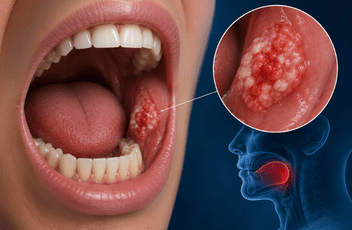
Mouth & Tongue Cancer Oral Cavity Cancer Neck Dissection Cancer Reconstruction
Oral Cancer Doctor and Head & Neck Surgical Oncologist - Dr. Karan Gupta

How to Choose the Best Oral Cancer Doctor in Delhi NCR

Delhi NCR has many hospitals offering "cancer care," but oral cancer surgery is a narrow sub-specialty. Key factors to evaluate when comparing specialists:

Specialist Oncology Training

Look for a formal fellowship in head & neck surgical oncology at a recognised cancer centre.

Oral Cavity Cancer Focus

Evaluate how much of the surgeon's active clinical practice is dedicated specifically to this disease area.

Range of Surgical Technique

Expertise ranging from wide local excision for early disease to composite resection for advanced cases.

Neck Dissection Expertise

Proven capabilities, as many oral cancer cases require meticulous management of neck lymph nodes.

Reconstruction Capability

Access to advanced local, regional, or microvascular flap reconstruction techniques post-surgery.

Access to Modern Technology

Availability of robotic-assisted or minimally invasive approaches where clinically appropriate.

Comprehensive Diagnostic Access

Immediate access to biopsy, high-resolution MRI/CT, and PET-CT scans for accurate staging.

Clear Communication Style

Choose a doctor who explains treatment options clearly and never pressures your decision-making.

Openness to Second Opinions

A confident, transparent specialist rarely discourages seeking an additional medical opinion.

Multidisciplinary Rehabilitation

Comprehensive support including speech, swallowing, and dental rehabilitation after treatment.

Why Head & Neck Oncology Training Matters

General dentists and ENT specialists play an important role in early detection and referral. However, oral cancer surgery involves resecting tumours near critical structures, managing neck lymph nodes, and reconstructing tissue to preserve speech, swallowing, and appearance. Formal fellowship training in head & neck surgical oncology builds this specific skill set.

Oral Cancer Surgery: What Patients Should Know

According to the surgical approach described on Dr. Karan Gupta's official website, treatment for oral cavity cancer is individualised based on the tumour's specific characteristics, size, depth, and spread.

Clinical Evaluation & Biopsy

Comprehensive initial clinical examination followed by a tissue biopsy of the suspicious lesion for definitive diagnosis.

Diagnostic & Staging Scans

MRI or CT imaging to assess tumour extent, with PET-CT used in more advanced cases to evaluate overall spread.

Precise Staging Assessment

Staging based on tumour size and depth of invasion, which directly informs the risk of spread to neck lymph nodes.

Wide Local Excision

Surgical removal of smaller, early-stage cancers with an adequate margin of surrounding healthy tissue.

Partial or Total Glossectomy

Specialized surgical management for tongue cancers, tailored according to tumour size, location, and depth.

Composite Resection

Operation removing the tumour, affected jaw segment, and neck lymph nodes in one stage when cancer involves the jawbone.

Neck Dissection

Surgical management of cervical lymph nodes when there is confirmed spread or significant risk of nodal involvement.

Immediate Flap Reconstruction

Reconstruction for larger defects using local, regional, or microvascular free flaps planned during the primary surgery.

Adjuvant Radiation or Chemotherapy

Post-surgical oncological therapy recommended whenever indicated by the final histopathology evaluation.

Dr. Karan Gupta — Qualifications & Specialist Expertise

Official Training Record & Clinical Sub-Specialization

Qualification / Training Institution Period
MBBS Gold Medal Maulana Azad Medical College (MAMC), Delhi University 2004–2008
MS, Otolaryngology – Head & Neck Surgery Gold Medal PGIMER, Chandigarh 2010–2013
DNB, Otolaryngology Gold Medal National Board of Examinations, New Delhi Dec 2013
Clinical Internship Lok Nayak Hospital, G.B. Pant Hospital, and Guru Nanak Eye Centre, Delhi —
Clinical Observership, Head-Neck Surgical Oncology (under Dr. Jeremy Freeman) Mount Sinai Hospital, University of Toronto, Canada Sep 2013
Clinical Fellowship, Head & Neck Oncology (under Dr. K. Patel & Dr. R. Toprani) Aastha Oncology Associates, HCG Cancer Centre, Gujarat 2014–2015
Shireen Gazdar Clinical Fellowship, FHNO (under Prof. Anil D'Cruz) Tata Memorial Hospital, Mumbai 2015–2016
Fellowship, Robotic Head-Neck Surgery Vattikuti Foundation, Michigan, USA (with RGCI Delhi & FMRI Gurgaon) 2016–2017
Clinical Observership, Head-Neck Surgical Oncology (under Dr. C. Holsinger) Stanford Medical Centre, Stanford University, USA Dec 2018
Clinical Observership, Head-Neck Surgical Oncology (under Prof. Jatin Shah) Memorial Sloan Kettering Cancer Centre (MSKCC), USA Jan–Feb 2019
Recognitions & Certifications
  • Triple Gold Medalist: Honored across MBBS, MS, and DNB qualifications.
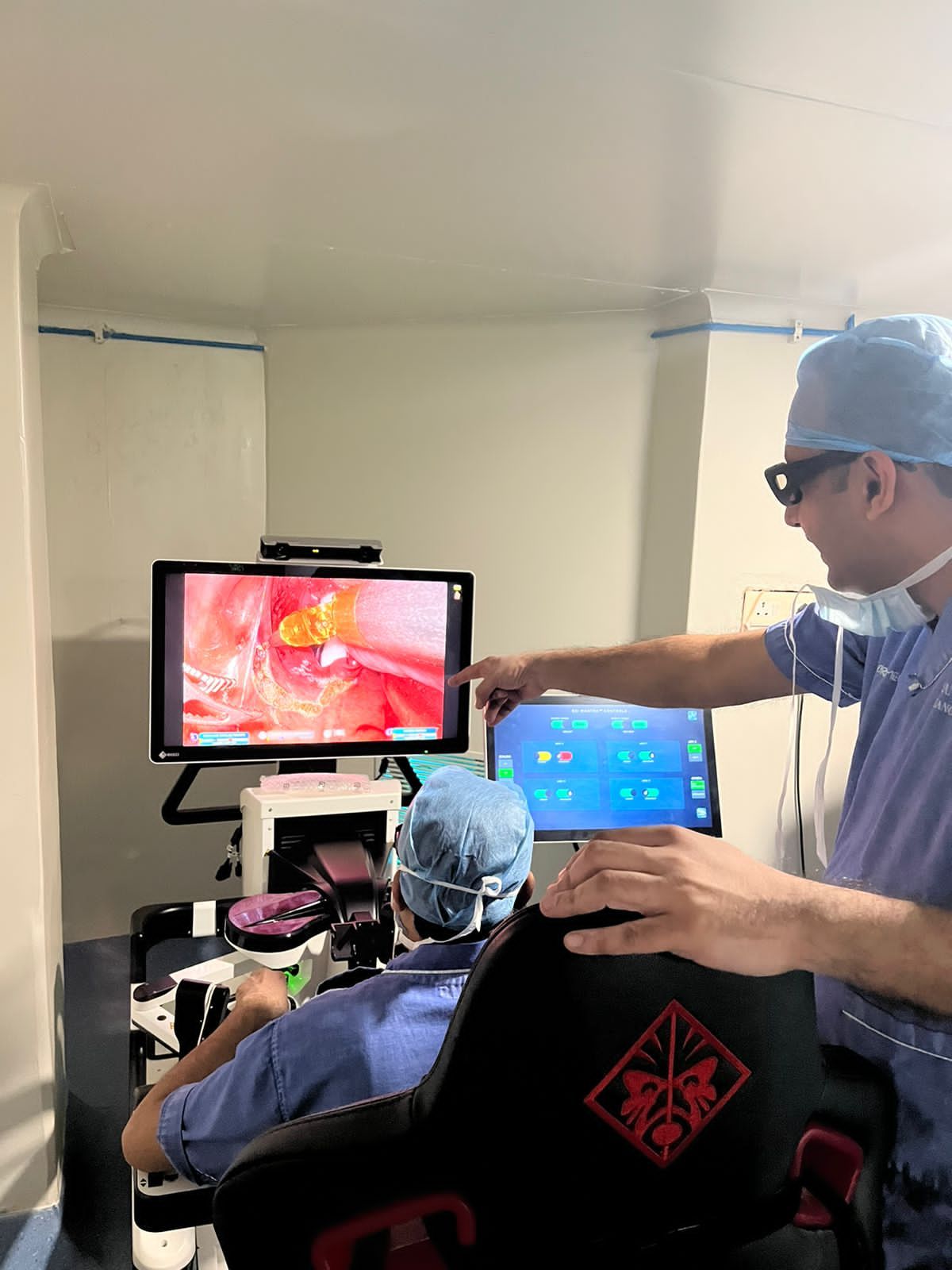
  • Certified Robotic Surgeon: Intuitive Surgical USA Certified Robotic Head & Neck Surgeon.
  • Current Role: Senior Consultant, Department of Head-Neck Surgical Oncology.
Surgical Focus & Expertise
Transoral Robotic Surgery (TORS) Robotic Thyroidectomy Robotic Neck Dissection Oral Cavity Cancer Surgery Composite Resection Onco-Reconstructive Surgery

Types & Risk Factors of Oral Cavity Cancer

Per the clinical information published on oralcancerdoc.com, squamous cell carcinoma is the most common type of oral cavity cancer. Understanding anatomical sites and risk factors is critical for early detection and prevention.

01

Tongue Cancer (Anterior)

Occurs in the front two-thirds of the tongue, often requiring specialized surgical management to preserve speech and swallowing functions.

02

Inner Cheek Cancer (Buccal Mucosa)

Malignancy arising in the inner mucosal lining of the cheek, highly prevalent in areas associated with smokeless tobacco usage.

03

Gum & Hard Palate Cancer

Cancers affecting the upper or lower gums and the bony roof of the mouth (hard palate), which may involve underlying bone structures.

04

Floor of the Mouth & Lips

Malignancies developing in the tissue under the tongue or on the lips, requiring early intervention and surgical precision.

05

Retromolar Trigone Cancer

Occurs in the small area located directly behind the wisdom teeth, where early detection is vital due to proximity to the jaw joint.

06

Histological Type: Squamous Cell Carcinoma

Squamous cell carcinoma accounts for the overwhelming majority of all diagnosed oral cavity cancer cases.

07

Primary Risk Factors in India

Leading causes include smoking, smokeless tobacco (gutka, khaini), betel nut (areca) chewing, and heavy alcohol use—especially in combination with tobacco.

Signs and Symptoms That Should Not Be Ignored

These symptoms have many possible causes, most of which are not cancer — but any of them, if persistent beyond two to three weeks, should be evaluated by a head & neck specialist rather than assumed to be a minor ulcer or dental issue.

A mouth ulcer or sore that has not healed within two to three weeks
A persistent red or white patch inside the mouth
Ongoing pain in the tongue, inner cheek, or gums
A lump, swelling, or thickened area inside the mouth or cheek
Teeth becoming loose without an obvious dental reason
Difficulty opening the mouth fully (trismus)
Bleeding from the mouth without injury or an obvious dental cause
A painless or persistent lump in the neck

Key Questions to Ask Your Oral Cancer Surgeon

Use these questions during your consultation to better understand your diagnosis, treatment plan, and recovery roadmap.

Diagnosis & Surgical Plan
  • 1
    Specialist Training: What is your specific training in head & neck surgical oncology?
  • 2
    Cancer Staging: What stage is my cancer, and what does that mean for my overall treatment options?
  • 3
    Neck Dissection: Will I need a neck dissection, and why or why not?
  • 4
    Jaw Involvement: Is my jaw involved, and will I require a composite resection?
  • 5
    Reconstruction Type: Will reconstruction be required, and what type (local, regional, or microvascular flap)?
  • 6
    Multimodal Therapy: Will I need radiation or chemotherapy in addition to surgery?
Recovery, Outcomes & Next Steps
  • 7
    Functional Impact: What is the expected impact on my speech, swallowing, and cosmetic appearance?
  • 8
    Feeding Support: Will a temporary or permanent feeding tube be needed during recovery?
  • 9
    Rehabilitation Plan: What does long-term rehabilitation (speech, swallowing, dental) look like?
  • 10
    Pathology Contingency: What happens if the final post-surgery pathology report shows unexpected findings?
  • 11
    Follow-Up Surveillance: How will long-term monitoring and cancer surveillance work after recovery?
  • 12
    Second Opinion: Can I seek a second opinion, and what records should I bring with me?

Oral Cancer Doctor vs. Oral Cancer Hospital

Understanding the difference between surgeon expertise and hospital infrastructure in cancer care.

Factor Oral Cancer Doctor (Individual Surgeon) Hospital / Cancer Centre (Healthcare Institution)
Role Diagnoses, plans, and performs surgery; directly leads your clinical care. Provides the essential infrastructure, advanced technology, and multidisciplinary team around your care.
Expertise Depth Specific to that individual surgeon's fellowship training, surgical skill, and clinical experience. Combines multiple specialists (medical/radiation oncologists, pathologists, radiologists) and support services.
What to Evaluate Fellowship credentials, surgical volume/range, sub-specialty focus, and communication style. Diagnostic imaging quality, pathology standards, ICU/critical care facilities, and rehabilitation support.
Why Both Matter Your surgeon's technical skill directly dictates precision, margin safety, and functional preservation outcomes. Hospital infrastructure directly impacts patient safety, post-operative recovery, and emergency complication management.
Expert Consultation

Second Opinion for Oral Cancer

A second opinion can be valuable at diagnosis, before a major surgical decision, or if a proposed treatment plan feels unclear. Dr. Gupta's practice provides thorough evaluations including review of biopsy reports, advanced imaging, and specialized salvage surgery options after previous failed radiation or chemotherapy.

Essential Records to Bring for an Efficient Consultation:

Pathology Records

Biopsy / pathology reports (and slides or blocks if available).

Radiology & Imaging

CT, MRI, and PET-CT reports along with image files or discs.

Blood Work

Relevant recent blood test results and general health profiles.

Treatment History

Comprehensive records of any previous surgeries, radiation, or chemo.

Cancer Second Opinion

Cost of Oral Cancer Treatment in Delhi NCR

Specific pricing is not quoted upfront because oral cancer treatment costs vary significantly based on the cancer's site and stage, whether a neck dissection or composite resection is needed, the type of reconstruction required, chosen hospital, length of stay, and adjunctive radiation or chemotherapy. A meaningful estimate can only be provided after a specialist has thoroughly reviewed your specific case, biopsy, and diagnostic imaging.

Why Patients Should Look Beyond the Word "Best"

"Best" is inherently subjective — it depends on the specific cancer, overall patient health, and logistical factors like hospital infrastructure. A more objective approach evaluates specialists against concrete, verifiable criteria: dedicated oncology training, surgical range, technological capability, and clear communication. A doctor meeting these standards who communicates transparently is, in a practical sense, the right choice for your care.

Common Mistakes When Choosing a Specialist

  • Choosing a surgeon solely because they appear on a generic "best doctor" online list.
  • Comparing specialists primarily on consultation fees rather than clinical expertise.
  • Overlooking whether the doctor has specialized fellowship training in head & neck surgical oncology.
  • Failing to ask if complex reconstruction will be required and what surgical options exist.
  • Delaying professional evaluation of persistent oral symptoms due to fear or anxiety.
  • Relying solely on social media presence rather than verified clinical credentials.
  • Selecting a provider based on guaranteed cures — which no ethical oncologist will ever promise.

Step-by-Step Guide to Choosing Your Doctor

1 Note persistent symptoms and exact timeline of occurrence.
2 Consult a dentist or physician for an initial examination.
3 Seek immediate referral to a head & neck surgical oncologist if suspicious.
4 Research the specialist's fellowship background and sub-specialization.
5 Verify hospital affiliation, ICU infrastructure, and surgical technology.
6 Schedule a consultation with all prior scan discs, reports, and biopsies.
7 Ask detailed questions regarding staging, margins, and speech/swallowing outcomes.
8 Arrange a second opinion if the proposed surgical pathway feels unclear.
9 Confirm available reconstruction and post-op rehabilitation support.
10 Establish a clear long-term surveillance and follow-up plan from day one.

Key Takeaways

Specialist Training

Outcomes rely heavily on specialized head & neck oncology training, which differs substantially from general dentistry or ENT.

Early Symptoms

Persistent sores, patches, lumps, or bleeding lasting beyond 2–3 weeks require immediate specialist evaluation.

Tailored Care & Costs

Procedures range from local excision to complex reconstruction; total cost varies by complexity and hospital setup.

Verified Excellence

Evaluate measurable credentials like Dr. Karan Gupta's fellowships at Tata Memorial, HCG, and Vattikuti Foundation.

Frequently Asked Questions

Find authoritative answers regarding oral cancer diagnosis, surgical options, reconstruction, second opinions, treatment costs, and consultation details with Dr. Karan Gupta.

There is no single, independently verifiable "best" doctor, since outcomes depend on the individual case. A useful approach is to evaluate any specialist — including Dr. Karan Gupta — against concrete criteria: fellowship training in head & neck surgical oncology, surgical range, reconstruction capability, and clear communication.

Check their formal training in head & neck surgical oncology, ask about their experience with oral cavity cancer surgery and neck dissection, confirm access to reconstruction, and assess how clearly they explain your options.

Look for a base surgical degree, a recognised specialty qualification (such as MS/DNB in Otolaryngology–Head & Neck Surgery), and a dedicated fellowship in head & neck surgical oncology from a recognised cancer centre.

Yes. A head & neck surgical oncologist has training focused specifically on cancers of the mouth and related structures, including neck dissection, composite resection, and reconstruction — procedures not typically performed by general dentists or ENT specialists.

See a specialist promptly if you have a mouth ulcer, red/white patch, lump, loose teeth, difficulty opening your mouth, or unexplained bleeding that persists beyond two to three weeks.

Most mouth ulcers are not cancer and heal within one to two weeks. An ulcer that persists longer should be examined by a specialist rather than assumed to be harmless.

No. Treatment ranges from wide local excision for early, small cancers to glossectomy, composite resection, and neck dissection for more advanced disease, depending on the tumour's site, size, and depth.

Neck dissection is a surgical procedure to remove lymph nodes in the neck that may contain cancer cells, performed when there is a significant risk that the oral cancer has spread there. It is commonly done during the same operation as removal of the primary tumour.

Not always. Smaller excisions may heal without reconstruction, while larger defects — such as after glossectomy or composite resection — are typically reconstructed using local, regional, or microvascular free flaps.

If imaging confirms jawbone (mandible) involvement, a composite resection is usually required, removing the tumour, affected jaw segment, and neck lymph nodes together, followed by reconstruction.

A second-opinion specialist reviews your existing biopsy report, imaging, and treatment plan to confirm or offer an alternative perspective. Dr. Gupta's practice lists review of biopsy, scans, and reports as a service.

Cost varies widely based on the extent of surgery, need for reconstruction, hospital choice, and additional treatments like radiation or chemotherapy. An accurate estimate requires an in-person case assessment.

As listed on oralcancerdoc.com:
Apollo Athenaa Women's Cancer Center: Defence Colony, New Delhi – 110024 (Monday–Saturday, 9:00 AM–2:00 PM)
Apollo Miracles Hospital: Sector 14, Gurugram – 122007, Haryana (Tuesday & Friday, 5:30 PM–7:30 PM).

Call the appointment helpline at +91 98111 22341, use the Apollo 24/7 app, WhatsApp the same number, or submit a request through the "Book Appointment" form on oralcancerdoc.com.