• -----------
  • +91 9811122341
Chat on WhatsApp
Expert Cancer Care

Parotid Tumor Surgery with Facial Nerve Preservation in Delhi NCR

The facial nerve, which controls all movement of the face, runs directly through the parotid gland, which makes protecting it the central technical goal of parotid tumour surgery.

Request an Appointment

Please fill out the form below to book your consultation layer.

Parotid Tumor Surgery with Facial Nerve Preservation

The facial nerve, which controls all movement of the face, runs directly through the parotid gland, making its preservation the central technical goal of parotid tumour surgery. Dr. Karan Gupta, a fellowship-trained Head & Neck Oncosurgeon, performs parotid tumor surgery in Delhi NCR with a focus on complete tumour removal while preserving facial nerve function wherever the tumour allows, using intraoperative nerve monitoring and meticulous surgical technique.

What Is Parotid Tumor Surgery?

The parotid glands are the largest salivary glands and are located in front of and below each ear. They produce saliva that helps with chewing, swallowing, and digestion.

The facial nerve exits the skull near the ear and passes directly through the parotid gland, dividing into two main trunks and then five branches that control movement of the forehead, eyelids, cheeks, lips, and chin.

Because of this complex anatomy, parotid tumor surgery is never simply about removing the lump. It requires careful identification, protection, and preservation of the facial nerve throughout the procedure whenever safely possible. This operation is one of the specialised procedures performed under comprehensive salivary gland surgery.
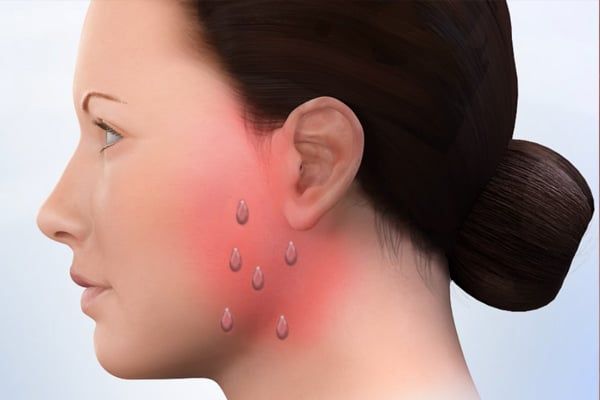
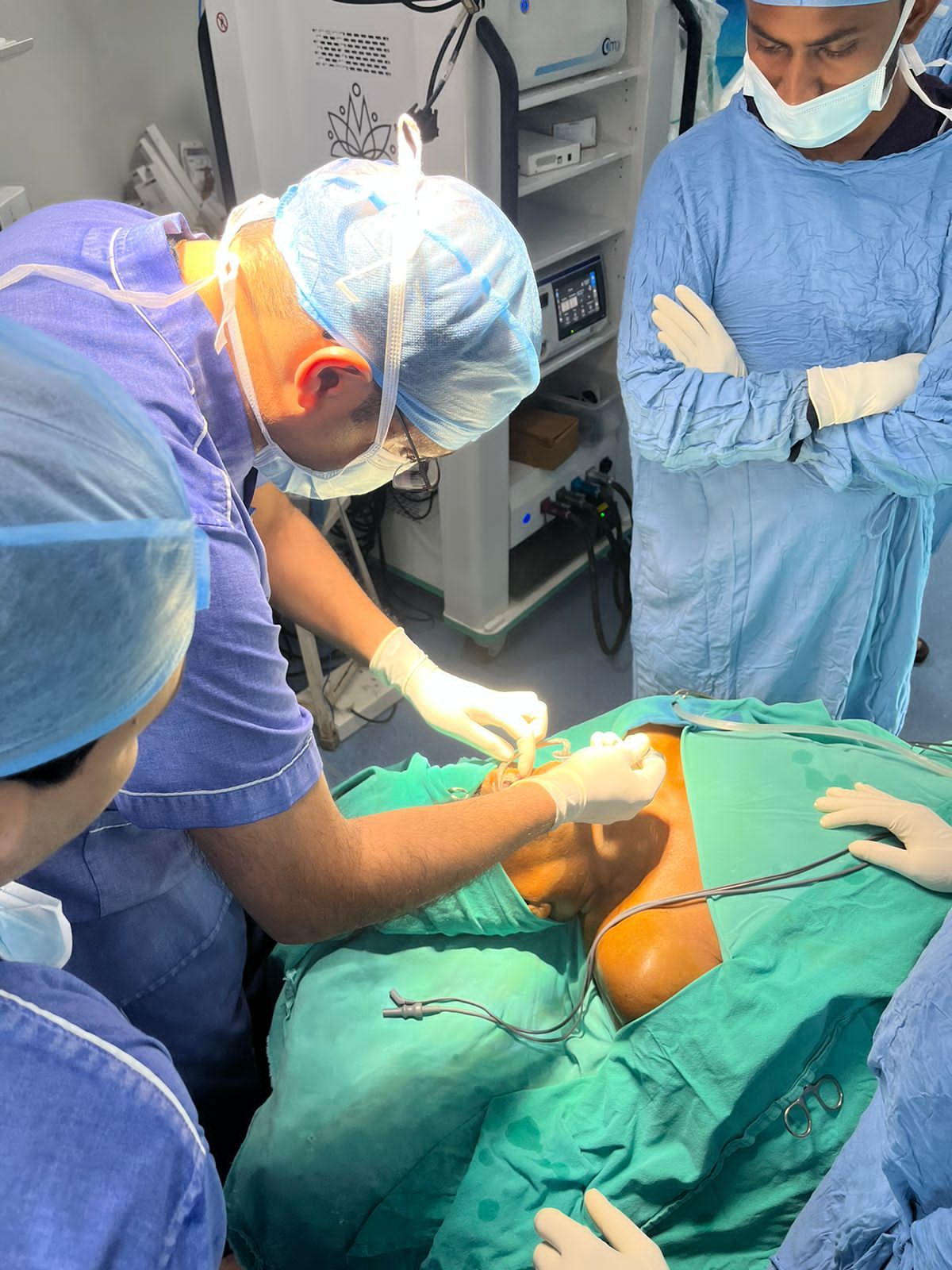
Parotid Tumor Surgery with Facial Nerve Preservation in Delhi NCR

Types of Parotid Tumors

The majority of parotid tumours are benign and grow slowly over time. However, some tumours are malignant and require prompt diagnosis and treatment. Understanding the different types helps guide surgical planning and long-term management.

Pleomorphic Adenoma

Pleomorphic adenoma is the most common benign parotid tumour. It is typically slow-growing and painless but should be surgically removed because it can continue to enlarge and has a small risk of becoming cancerous over time.

Warthin Tumour

Warthin tumour is the second most common benign parotid tumour. It usually presents as a painless, slow-growing lump and is more commonly seen in older adults and smokers.

Mucoepidermoid Carcinoma

Mucoepidermoid carcinoma is the most common malignant tumour of the parotid gland. Treatment usually involves surgery and, in selected cases, additional therapies such as radiation.

Adenoid Cystic Carcinoma

Adenoid cystic carcinoma is a less common malignant salivary gland tumour that may spread along nerves, making careful surgical planning and long-term follow-up especially important.

Acinic Cell Carcinoma

Acinic cell carcinoma is another malignant parotid tumour that often grows slowly but still requires specialist surgical treatment for complete removal and long-term disease control.

Warning Signs of Malignancy

Rapid tumour growth, persistent pain, skin involvement, or new facial weakness may indicate a malignant tumour and should be evaluated urgently with imaging and biopsy to determine the appropriate treatment.

Surgical Techniques for Parotid Tumor Removal

The choice of surgical technique depends on the size, location, and nature of the tumour. Dr. Karan Gupta carefully selects the most appropriate procedure to achieve complete tumour removal while preserving facial nerve function whenever possible.

Extracapsular Dissection

A gland-preserving technique used for small, well-defined tumours confined to the superficial part of the parotid gland. The tumour is removed with a margin of healthy tissue without removing the entire superficial lobe.

Superficial Parotidectomy

This procedure removes the entire superficial portion of the parotid gland while preserving the facial nerve. It is commonly recommended for larger, less clearly defined superficial tumours or when a wider surgical margin is required.

Total Parotidectomy

Total parotidectomy removes both the superficial and deep portions of the gland. It is performed when the tumour extends into the deep lobe or when a malignant tumour requires more extensive surgical removal.

Facial Nerve Preservation

Regardless of the surgical technique, preserving the facial nerve remains a primary objective. The nerve is never intentionally sacrificed for a benign tumour and is only removed when a confirmed malignant tumour directly invades it. Whenever imaging or biopsy suggests this possibility, reconstructive options are discussed thoroughly before surgery.

How the Facial Nerve Is Protected During Surgery

Protecting the facial nerve is the most important technical aspect of parotid tumour surgery. Dr. Karan Gupta uses meticulous surgical techniques, anatomical expertise, and intraoperative nerve monitoring to maximise facial nerve preservation while ensuring complete tumour removal.

Early Facial Nerve Identification

The facial nerve is identified early in the operation using reliable anatomical landmarks near the ear. It is then carefully traced through each of its branches before tumour removal begins.

Meticulous Microsurgical Technique

The tumour is carefully separated from the facial nerve using magnification and delicate surgical techniques to minimise nerve handling while achieving complete tumour removal.

Intraoperative Facial Nerve Monitoring

Real-time facial nerve monitoring provides continuous electrical feedback during surgery, helping identify and protect the nerve throughout the procedure and supporting better functional outcomes.

Maximum Functional Preservation

Combining expert anatomical knowledge, magnification, and nerve monitoring helps maximise facial nerve preservation whenever the tumour allows, reducing the risk of long-term facial weakness.

When the Facial Nerve Is Affected

In rare situations where a confirmed malignant tumour directly invades the facial nerve, removing the involved nerve segment may be necessary to achieve complete cancer clearance. Reconstructive options are discussed before surgery whenever this possibility exists.

Cancer Clearance

The facial nerve is only removed when a biopsy-confirmed malignant tumour directly invades the nerve and complete cancer removal cannot be achieved while preserving it.

Nerve Grafting

Whenever appropriate, nerve grafting can be performed during the same operation to bridge the removed nerve segment and improve the chances of restoring facial movement.

Facial Nerve Reanimation

If immediate nerve repair is not possible, facial nerve reanimation procedures may be recommended later to improve facial symmetry, eye closure, smile, and overall function.

Personalised Treatment Planning

Every patient receives an individualised treatment plan with a detailed discussion of nerve reconstruction and rehabilitation options before surgery whenever facial nerve involvement is suspected.

Choosing the Best Surgeon for Parotid Tumor Surgery in Delhi NCR

Successful parotid surgery depends not only on removing the tumour but also on preserving facial nerve function. Choosing an experienced Head & Neck Surgical Oncologist can make a significant difference in both cancer control and long-term facial movement.

Fellowship-Trained Expertise

Look for a surgeon with formal fellowship training in Head & Neck Surgical Oncology and specialised experience in complex salivary gland and parotid tumour surgery.

Facial Nerve Preservation Experience

Extensive hands-on experience with facial nerve identification, preservation techniques, and reconstructive procedures is essential for achieving the best functional outcomes.

Advanced Nerve Monitoring

Surgeons experienced with intraoperative facial nerve monitoring can provide an additional level of safety during complex parotid surgery.

Why Dr. Karan Gupta?

Dr. Karan Gupta is fellowship-trained at Tata Memorial Hospital, Mumbai, and HCG Cancer Centre, Ahmedabad. His expertise in nerve-preserving parotid surgery, combined with meticulous surgical technique and advanced intraoperative monitoring, provides patients in Delhi NCR with comprehensive, evidence-based care.

Before Your Surgery: What to Expect

Careful pre-operative assessment is essential for planning safe and effective parotid tumour surgery. Dr. Karan Gupta performs a detailed evaluation to understand the tumour's relationship with the facial nerve and determine the most appropriate surgical approach for each patient.

Consultation & Clinical Examination

Your consultation includes a detailed head and neck examination along with a review of ultrasound findings and Fine Needle Aspiration Cytology (FNAC) results to confirm the diagnosis and plan treatment.

Baseline Facial Nerve Assessment

Facial nerve function is carefully documented before surgery to establish a baseline and assist with post-operative assessment and recovery monitoring.

MRI Scan (If Required)

An MRI scan may be recommended to accurately map the tumour's relationship to the facial nerve and the deep lobe of the parotid gland, helping guide surgical planning.

Pre-Anaesthesia Evaluation

Routine blood investigations and a pre-anaesthesia fitness assessment are completed to ensure you are medically prepared for surgery and anaesthesia.

Surgical Planning & Counselling

Dr. Karan Gupta explains the recommended surgical technique, expected recovery, and, when relevant, discusses the possibility of facial nerve involvement and available reconstructive options.

Recovery After Parotid Surgery

Recovery after parotid surgery is generally smooth, with most patients returning home within one to two days. During the recovery period, facial nerve function, wound healing, and overall comfort are closely monitored to support the best possible outcome.

01

Hospital Stay

Most patients are discharged within one to two days after parotid surgery, depending on the extent of the procedure and their overall recovery.

02

Facial Nerve Monitoring

Facial movement is carefully checked and monitored during the first few days after surgery to ensure the facial nerve is functioning well throughout the recovery process.

03

Temporary Facial Weakness

Mild temporary facial weakness is common after parotid surgery and usually improves over the following weeks to months as swelling settles and the facial nerve recovers from normal surgical handling.

04

Ear Numbness & Drain Care

Temporary numbness around the ear is common because a small sensory nerve may be affected during surgery. This sensation usually improves gradually over several months. A small surgical drain may also be placed and is typically removed before or shortly after discharge.

05

Frey's Syndrome

Frey's syndrome, which causes sweating or flushing over the cheek while eating, is a recognised long-term effect that may develop months after parotid surgery. Although it can be bothersome, it is generally manageable with appropriate treatment if needed.

Frequently Asked Questions

Find answers to common questions about parotid tumor surgery, facial nerve preservation, recovery, surgical techniques, and treatment by Dr. Karan Gupta.

Most patients go home within one to two days after parotid surgery. Facial swelling and mild bruising are common during the first one to two weeks, and most people return to normal daily activities within two to three weeks. If there is temporary facial weakness, complete recovery may take several weeks to a few months.

The facial nerve is identified early in the operation using reliable anatomical landmarks and carefully traced through all of its branches while the tumour is removed. Intraoperative facial nerve monitoring, magnification, and meticulous surgical technique provide additional protection throughout the procedure.

The risk of recurrence depends on the type of tumour and how completely it is removed. Pleomorphic adenoma has a higher chance of recurring if it is not removed with an adequate margin of surrounding tissue. Malignant tumours require regular follow-up with clinical examination and imaging based on their type and stage.

Most patients experience a feeling of tightness and swelling around the jaw and ear rather than severe pain. This discomfort is usually well controlled with routine pain medication. Temporary numbness around the ear is also common and generally improves gradually over the following months.

The appropriate procedure depends on the size, location, and suspected nature of the tumour. Small superficial tumours may be treated with extracapsular dissection, while larger superficial tumours often require superficial parotidectomy. Tumours involving the deep lobe generally require total parotidectomy after detailed clinical assessment and imaging.

Look for a fellowship-trained Head & Neck Surgical Oncologist with specialised experience in facial nerve identification and preservation, parotid tumour surgery, and intraoperative facial nerve monitoring. Dr. Karan Gupta's fellowship training at Tata Memorial Hospital and HCG Cancer Centre, along with his expertise in nerve-preserving surgical techniques, makes him a trusted choice for parotid tumor surgery in Delhi NCR.
Parotid Tumor Surgery with Facial Nerve Preservation in Delhi NCR - Dr. Karan Gupta