• -----------
  • +91 9811122341
Chat on WhatsApp
Expert Cancer Care

Thyroid & Parathyroid Surgery in Delhi NCR

Specialized surgical care for Oral, Tongue, Thyroid, Throat, Voice Box, Salivary Gland, and Head & Neck Cancers with advanced treatment and personalized care.

Request an Appointment

Please fill out the form below to book your consultation layer.

Parathyroid Surgery for Calcium Disorders in Delhi NCR

High blood calcium is often traced back to an overactive parathyroid gland, a condition called hyperparathyroidism, and surgery to remove the affected gland is the only treatment that definitively corrects it. Dr. Karan Gupta, a fellowship-trained Head & Neck Oncosurgeon, evaluates and treats calcium disorders linked to the parathyroid glands in Delhi NCR, from precise localisation imaging through to minimally invasive parathyroidectomy for suitable patients.

What Is Parathyroid Surgery?

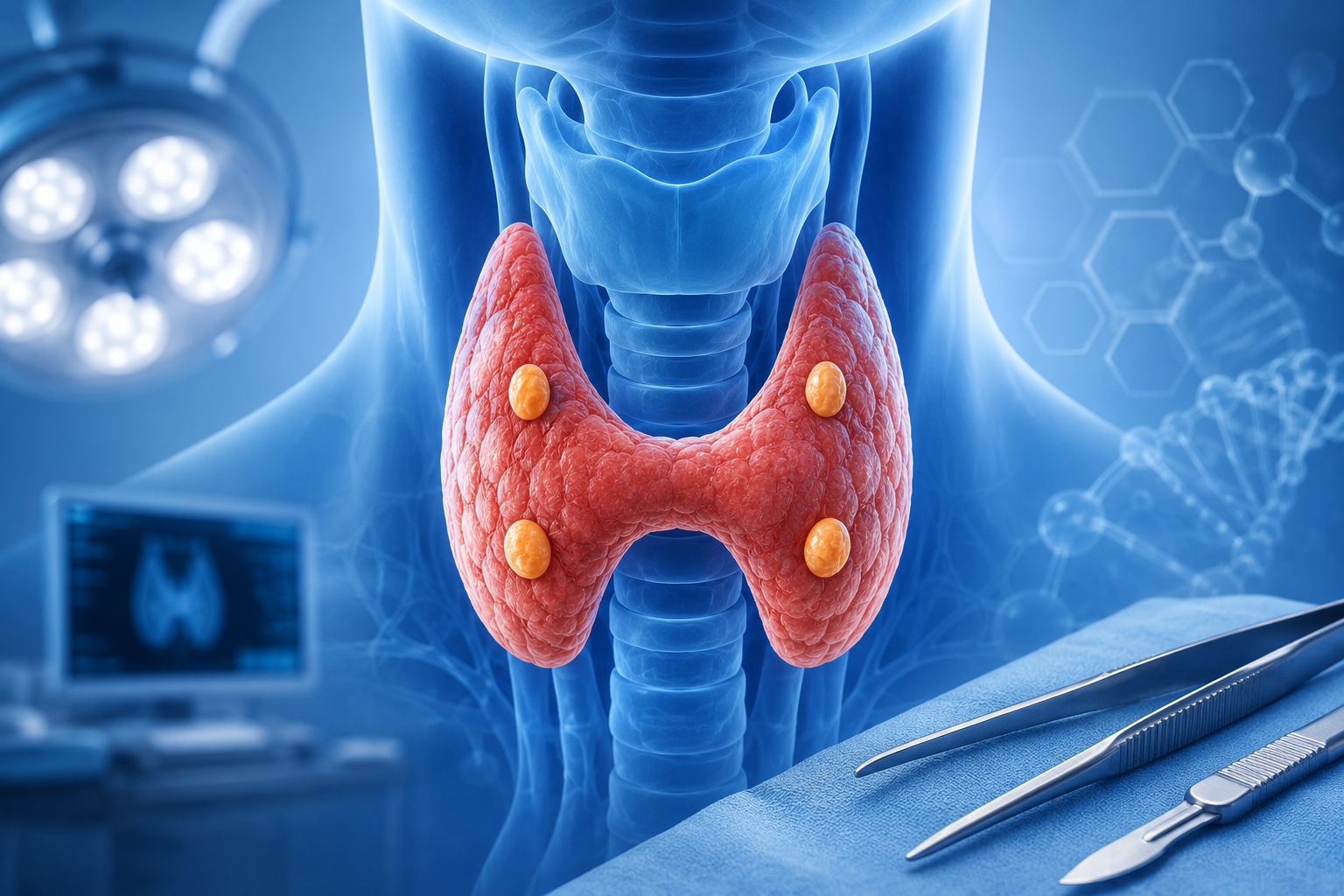
The parathyroid glands are four small glands located behind or close to the thyroid gland in the neck. They regulate calcium levels in the blood by producing parathyroid hormone (PTH). Parathyroid surgery, also known as parathyroidectomy, removes one or more overactive glands to restore normal calcium and PTH levels. As these glands are closely related to the thyroid, parathyroid surgery is an important part of advanced head and neck surgery and endocrine surgery.
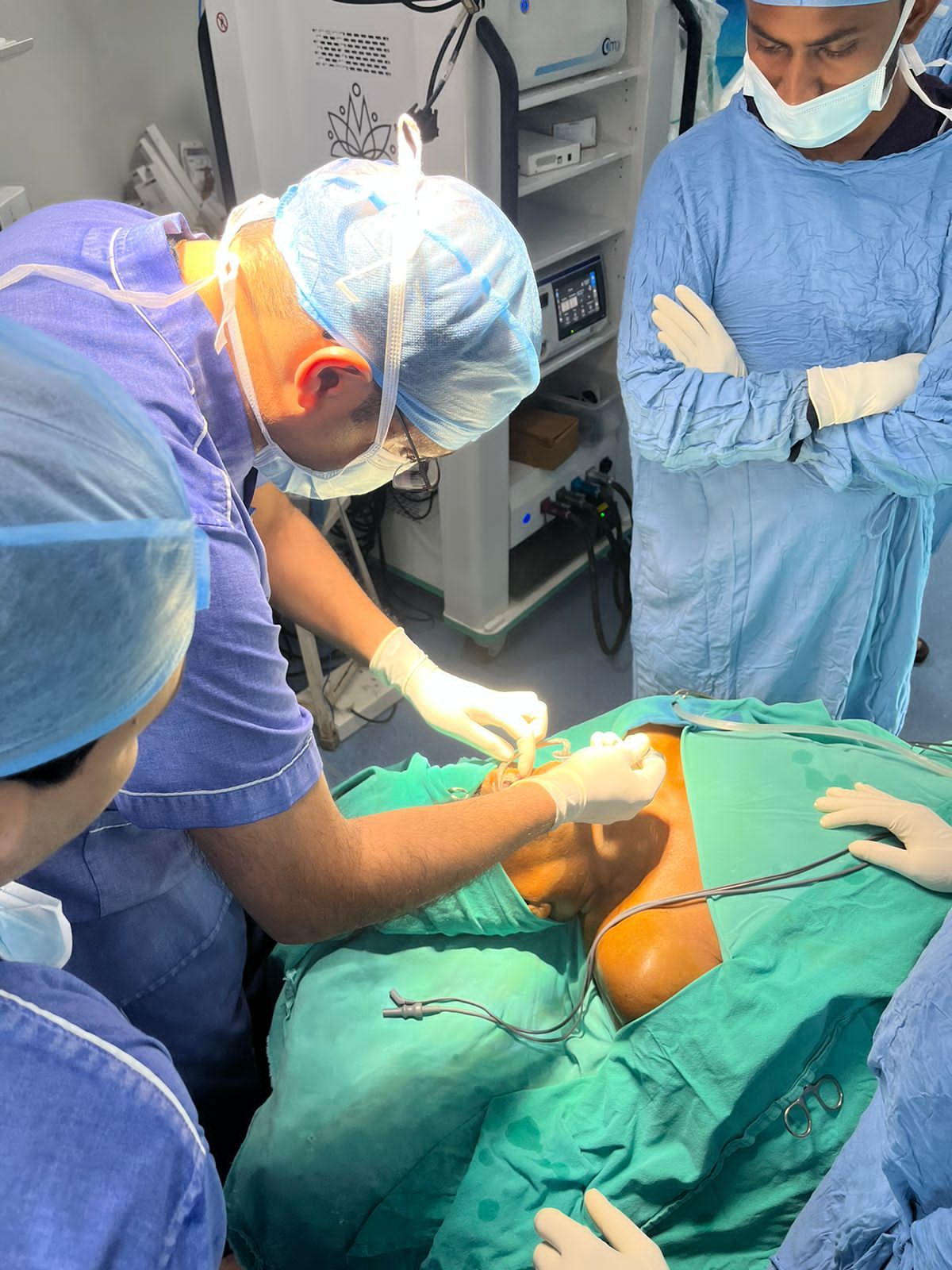
Parathyroid Surgery for Calcium Disorders - Dr. Karan Gupta

What Is Parathyroid Surgery?

The parathyroid glands are four tiny endocrine glands usually located just behind the thyroid gland in the neck. Their role is to regulate calcium levels by producing parathyroid hormone (PTH). When one or more glands become overactive, calcium levels rise, leading to a condition called primary hyperparathyroidism.

Parathyroid surgery (parathyroidectomy) removes the abnormal gland while preserving the healthy glands. This procedure restores normal calcium balance and is considered the only definitive treatment for most patients with primary hyperparathyroidism.

Primary Hyperparathyroidism: The Main Reason for Surgery

Primary hyperparathyroidism develops when one or more parathyroid glands produce excessive parathyroid hormone (PTH), resulting in persistently high blood calcium levels.

In most patients, the cause is a single benign parathyroid adenoma. Less commonly, multiple glands become enlarged (hyperplasia), while parathyroid cancer is extremely rare.

Common Symptoms
  • Persistent fatigue
  • Bone and joint pain
  • Kidney stones
  • Digestive problems
  • Depression or mood changes
  • High calcium detected on routine blood tests

How the Overactive Gland Is Located Before Surgery

Successful minimally invasive parathyroid surgery begins with accurately locating the overactive gland. Dr. Karan Gupta carefully reviews blood investigations and advanced imaging to plan the safest and most effective surgical approach for every patient.

Blood Investigations

Calcium, parathyroid hormone (PTH), vitamin D, and other blood tests are carefully reviewed before planning surgery.

High-Resolution Neck Ultrasound

A detailed ultrasound scan helps identify the enlarged or overactive parathyroid gland before surgery.

Sestamibi Scan

This specialised nuclear medicine scan accurately localises the abnormal parathyroid gland in most patients.

4D-CT Scan

For complex or difficult cases, a 4D-CT scan provides highly detailed imaging to precisely locate the overactive gland.

Minimally Invasive Surgery

When imaging identifies a single abnormal gland, a minimally invasive parathyroidectomy can usually be performed through a small incision.

Bilateral Neck Exploration

If multiple glands are involved or imaging is inconclusive, bilateral neck exploration ensures safe and complete treatment.

Choosing the Best Parathyroid Surgeon in Delhi NCR

Choosing an experienced parathyroid surgeon is one of the most important factors influencing surgical success. Rather than relying on marketing claims, patients should look for fellowship training, experience with thyroid and parathyroid surgery, expertise in localisation imaging, and a personalised treatment plan.

Dr. Karan Gupta has advanced fellowship training from Tata Memorial Hospital, Mumbai, and HCG Cancer Centre, Ahmedabad. His expertise in head and neck oncology, thyroid surgery, and parathyroid surgery allows patients to receive comprehensive evaluation, precise diagnosis, and modern minimally invasive treatment whenever appropriate.

Patients searching for the best parathyroid surgeon in Delhi NCR, top parathyroid surgeon in Delhi, or an experienced parathyroid surgeon in Gurugram can benefit from Dr. Karan Gupta's specialised approach focused on safety, accuracy, and excellent long-term outcomes.

Before Your Surgery: What to Expect

Careful preoperative planning helps identify the overactive parathyroid gland and ensures the safest surgical approach. Dr. Karan Gupta evaluates your investigations in detail before recommending the most appropriate treatment.

Blood Test Review

Consultation with detailed review of your calcium, parathyroid hormone (PTH), and vitamin D blood test results.

Localisation Imaging

Neck ultrasound, sestamibi scan, or 4D-CT scan is performed to accurately identify the overactive parathyroid gland or glands.

Additional Diagnostic Tests

Additional investigations may include a 24-hour urine calcium test or a DEXA bone density scan when clinically required.

Pre-Anaesthesia Assessment

A complete fitness evaluation, including routine blood tests, ensures you are medically prepared for surgery.

Personalised Surgical Planning

Dr. Karan Gupta explains whether a targeted minimally invasive parathyroidectomy or a bilateral neck exploration is the most suitable approach for your condition.

Safe Surgical Preparation

Every step is carefully planned to maximise surgical success, minimise complications, and support a smooth recovery.

Recovery After Parathyroid Surgery

Recovery after parathyroid surgery is generally smooth, with most patients returning home the same day or within 24 hours. Dr. Karan Gupta provides close postoperative monitoring to ensure a safe recovery and long-term normalization of calcium levels.

Early Discharge

Most patients are discharged on the same day or within 24 hours after surgery, allowing them to recover comfortably at home with simple postoperative instructions.

Calcium Monitoring

Blood calcium levels are closely monitored during the initial recovery period, as temporary low calcium may occur while the remaining healthy parathyroid glands adjust.

Calcium & Vitamin D Supplements

If calcium levels fall temporarily after surgery, calcium and vitamin D supplements may be prescribed to maintain healthy calcium levels during recovery.

Voice Assessment

Your voice is checked after surgery to ensure normal vocal cord function, as the nerve controlling the voice runs very close to the parathyroid glands.

Follow-up Blood Tests

Follow-up blood tests are performed to confirm that calcium and parathyroid hormone (PTH) levels have returned to normal and remain stable over time.

Postoperative Follow-up

Regular follow-up visits with Dr. Karan Gupta help monitor your recovery, review blood test results, address any concerns, and ensure the best long-term outcome.

Why Choose Dr. Karan Gupta for Parathyroid Surgery in Delhi NCR

Dr. Karan Gupta combines advanced fellowship training in Head & Neck Surgical Oncology with extensive experience in thyroid and parathyroid surgery. Every treatment plan is tailored to your imaging findings, blood investigations, and overall health to deliver safe, precise, and long-lasting results.

Fellowship-Trained Head & Neck Oncosurgeon

Fellowship-trained in Head & Neck Surgical Oncology at Tata Memorial Hospital, Mumbai, and HCG Cancer Centre, Ahmedabad, with expertise in thyroid and parathyroid surgery.

Advanced Robotic Surgery Training

Further trained in Robotic Head & Neck Surgery through the Vattikuti Foundation, Michigan, USA, offering advanced minimally invasive surgical expertise.

Certified Robotic Head & Neck Surgeon

Intuitive Surgical USA Certified Robotic Head & Neck Surgeon with internationally recognised training in advanced head and neck surgical procedures.

Triple Gold Medalist

Awarded Triple Gold Medals across MBBS, MS, and DNB for outstanding academic achievement and surgical excellence.

Personalised Treatment for Calcium Disorders

Every patient receives an individualised treatment plan based on a detailed review of blood calcium levels, parathyroid hormone (PTH), vitamin D, ultrasound, sestamibi, and 4D-CT imaging. Rather than following a one-size-fits-all approach, Dr. Karan Gupta carefully determines whether minimally invasive parathyroidectomy or bilateral neck exploration will provide the safest and most effective outcome for your condition.

Frequently Asked Questions

Find answers to common questions about parathyroid surgery, hyperparathyroidism, high calcium levels, minimally invasive parathyroidectomy, recovery, and treatment by Dr. Karan Gupta.

Primary hyperparathyroidism, the most common condition requiring parathyroid surgery, may cause fatigue, bone or joint pain, kidney stones, digestive problems, low mood, and difficulty concentrating. However, many patients have few or no obvious symptoms and are diagnosed only after routine blood tests reveal high calcium levels. Diagnosis is confirmed using calcium and parathyroid hormone (PTH) blood tests along with additional investigations when required.

Surgery is recommended for patients with symptomatic primary hyperparathyroidism, including those with kidney stones, fractures, or significantly elevated calcium levels. It is also advised for many patients without symptoms who meet guideline-based criteria such as younger age, reduced kidney function, kidney stones, or decreased bone density on a DEXA scan. Surgery is the only treatment that permanently corrects primary hyperparathyroidism.

Before surgery, imaging such as a high-resolution neck ultrasound, sestamibi nuclear medicine scan, and sometimes a 4D-CT scan is performed to identify the overactive parathyroid gland. If one abnormal gland is clearly identified, a minimally invasive procedure is often possible. If imaging is inconclusive or multiple glands are involved, a more comprehensive neck exploration may be recommended.

When choosing a parathyroid surgeon, look for fellowship training in Head & Neck or Endocrine Surgery, experience with parathyroid localisation techniques, and a surgeon who carefully reviews your imaging and blood investigations before recommending treatment. Dr. Karan Gupta's fellowship training and focused expertise in thyroid and parathyroid surgery make him a trusted choice for patients seeking parathyroid surgery in Delhi NCR.

Most patients experience normalization of calcium and parathyroid hormone (PTH) levels soon after surgery. Blood calcium is monitored closely because temporary low calcium can occur while the remaining glands recover. If necessary, calcium and vitamin D supplements are prescribed until calcium levels stabilize.

A minimally invasive parathyroidectomy is usually possible when preoperative imaging clearly identifies a single overactive gland. If imaging is inconclusive, multiple glands are affected, or a hereditary parathyroid disorder is suspected, a bilateral neck exploration may provide the safest and most effective treatment.
Parathyroid Surgery for Calcium Disorders - Dr. Karan Gupta