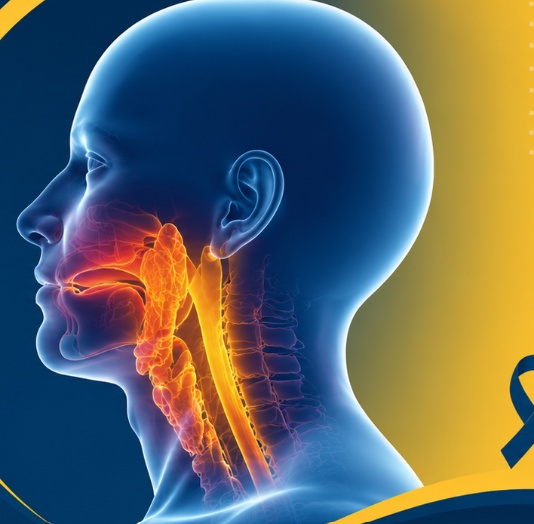
Head & Neck Cancer Surgeon in Delhi: What You Need to Know Before You See One
If you or someone you love has been told to see a “head and neck cancer surgeon,” the first feeling is usually fear, followed quickly by confusion. What does this specialist actually treat? Is it the same as an ENT doctor? And how do you find the right one in a city as large as Delhi NCR?
This guide answers those questions in plain language — the way a doctor should explain it to you in the first five minutes of a consultation, not buried in medical jargon.
What Is a Head & Neck Cancer Surgeon?
A head and neck cancer surgeon (also called a head and neck surgical oncologist) is a specialist trained specifically to diagnose and surgically treat cancers of the mouth, throat, voice box, thyroid, salivary glands, and neck. Unlike a general ENT surgeon, this specialist undergoes additional fellowship training focused entirely on cancer surgery, reconstruction, and long-term functional outcomes like speech and swallowing.
Quick answer: A head and neck cancer surgeon treats cancers of the oral cavity, throat, larynx, thyroid, and salivary glands, combining cancer removal with techniques to preserve speech, swallowing, and appearance.
Why This Matters for Patients in Delhi NCR
Delhi, Gurgaon, Noida, Greater Noida, Faridabad, Ghaziabad, and towns like Sonipat, Panipat, Bahadurgarh, and Rohtak send a steady stream of patients to the capital region for cancer care, simply because advanced surgical oncology and robotic surgery infrastructure is concentrated here. Families often travel two or three hours for a single consultation, so getting the right specialist early — rather than bouncing between doctors — makes a real difference to both outcomes and peace of mind.
Common Symptoms That Bring Patients to a Specialist
Not every mouth ulcer or neck lump is cancer. But certain warning signs should never be ignored for more than two to three weeks:
- A mouth ulcer or sore that doesn’t heal
- A white or red patch inside the mouth that persists
- A lump or swelling in the neck that keeps growing
- Difficulty or pain while swallowing
- Persistent hoarseness of voice lasting more than 2–3 weeks
- Numbness in part of the face or tongue
- Unexplained loosening of teeth
- Blood-stained saliva without an obvious cause
Key takeaway: Persistence is the red flag. A single mouth ulcer that heals in a week is rarely cancer. One that lingers beyond three weeks needs an examination.
Causes and Risk Factors
Oral and head & neck cancers in India are strongly linked to lifestyle and habit-related risk factors, alongside a smaller but rising share linked to viral infection.
| Risk Factor | How It Contributes |
|---|---|
| Tobacco (smoking or chewing, gutka, khaini) | Single largest risk factor for oral cancer in India |
| Alcohol use | Multiplies risk significantly when combined with tobacco |
| Betel nut / paan / areca nut chewing | Directly linked to oral submucous fibrosis and cancer |
| HPV (Human Papillomavirus) infection | Increasingly linked to throat (oropharyngeal) cancers |
| Poor oral hygiene / chronic irritation | Sharp tooth edges or ill-fitting dentures causing repeated injury |
| Family history | Slightly elevated risk in some cases |
How Is Head & Neck Cancer Diagnosed?
Quick answer: Diagnosis typically involves a clinical examination, biopsy of the suspicious area, and imaging (CT, MRI, or PET scan) to understand the exact size and spread of the tumour before planning treatment.
The typical diagnostic pathway looks like this:
- Clinical examination — a detailed look inside the mouth, throat, and neck
- Biopsy — a small tissue sample confirms whether cancer cells are present
- Imaging — CT scan, MRI, or PET-CT to map the tumour and check for spread
- Staging — combining all findings to assign a cancer stage, which guides treatment
Treatment Options
Treatment depends heavily on the stage, location, and overall health of the patient. Broadly, options include:
- Surgery — removal of the tumour, sometimes combined with neck dissection if lymph nodes are involved
- Robotic and minimally invasive surgery — including Transoral Robotic Surgery (TORS) for select throat cancers, and robotic thyroidectomy for thyroid conditions
- Radiation therapy — often used after surgery or for cases unsuitable for surgery
- Chemotherapy — used alongside radiation in select advanced cases
- Reconstructive surgery — restoring form and function after tumour removal, using local, regional, or microvascular flap techniques
Robotic Surgery for Head & Neck Cancer
Robotic-assisted surgery has changed how some head and neck cancers are treated. Using systems like the Intuitive Surgical robotic platform, surgeons can access hard-to-reach areas of the throat through the mouth, without external cuts on the neck or face.
| Traditional Open Surgery | Robotic-Assisted Surgery |
| Larger incisions, visible scarring | Often no external incision (transoral approach) |
| Longer hospital stay | Typically shorter hospital stay |
| Higher risk of speech/swallowing impact in select cases | Designed to better preserve function in eligible cases |
| Longer recovery window | Generally faster return to normal activity |
Not every patient or tumour is suitable for robotic surgery — eligibility depends on tumour stage, location, and overall health, decided only after imaging and clinical evaluation.
Recovery After Surgery
Recovery timelines vary widely depending on the extent of surgery, whether reconstruction was needed, and whether radiation or chemotherapy follows. Broadly:
- Hospital stay after minimally invasive procedures is usually shorter than after major open surgery with reconstruction
- Speech and swallowing therapy is often part of recovery, especially after oral cavity or throat surgery
- Regular follow-up visits and scans are essential for at least the first few years
- A multidisciplinary team — surgeon, radiation oncologist, dietician, and speech therapist — typically supports recovery
When Should You Consult a Specialist?
Quick answer: See a head and neck cancer surgeon if you have a mouth ulcer, throat pain, hoarseness, or neck lump lasting more than two to three weeks, especially if you use tobacco, alcohol, or areca nut products.
Don’t wait for pain. Many early oral and throat cancers are painless, which is exactly why they get missed until they’ve progressed.
Benefits of Early Detection
Early-stage head and neck cancers are frequently more treatable, often with less extensive surgery and a better chance of preserving speech, swallowing, and appearance. This is the single biggest reason doctors keep repeating: don’t ignore a mouth ulcer or neck lump that doesn’t go away.
Frequently Asked Questions
What is oral cancer?
Oral cancer is a cancer that develops in the tissues of the mouth, including the lips, tongue, cheeks, gums, and floor of the mouth. It is one of the most common cancers in India, largely linked to tobacco and areca nut use.
Is oral cancer curable?
Yes, oral cancer is often curable, especially when detected early. Treatment success depends heavily on the stage at diagnosis, which is why early evaluation of any persistent mouth ulcer or lump matters so much.
What are the first symptoms of oral cancer?
Early symptoms include a non-healing mouth ulcer, a white or red patch inside the mouth, unexplained bleeding, loosening teeth, or a small lump that doesn’t go away within two to three weeks.
Can mouth ulcers become cancer?
Most common mouth ulcers are harmless and heal within one to two weeks. However, an ulcer that persists beyond three weeks, especially with tobacco or areca nut use, should be examined by a specialist.
How is head and neck cancer diagnosed?
Diagnosis usually starts with a clinical examination, followed by a biopsy to confirm cancer cells, and imaging like a CT, MRI, or PET scan to assess the size and spread of the tumour.
What foods should be avoided?
During treatment and recovery, doctors often recommend avoiding very spicy, hard, or acidic foods that can irritate healing tissue, along with tobacco and alcohol, which slow healing and raise recurrence risk.
Is head and neck cancer surgery painful?
Like any major surgery, some post-operative discomfort is expected, but it is actively managed with pain medication. Minimally invasive and robotic approaches, where suitable, are generally associated with less post-operative pain than open surgery.
What is Transoral Robotic Surgery (TORS)?
TORS is a robotic-assisted technique that allows surgeons to remove select throat and mouth tumours through the mouth, without external incisions, offering greater precision and often a faster recovery for eligible patients.
What happens after robotic head and neck surgery?
Recovery typically involves a shorter hospital stay compared to open surgery, followed by speech and swallowing evaluation, wound healing checks, and a structured follow-up schedule with imaging as advised.
Who treats thyroid cancer along with head and neck cancer?
A head and neck surgical oncologist with additional training in thyroid and parathyroid surgery, including robotic thyroidectomy, typically manages both conditions, since they fall within the same surgical specialty.
When should I consult a specialist for a neck lump?
Any neck lump that persists or grows over two to three weeks — especially if painless — should be evaluated promptly, since painless, persistent lumps are more concerning than tender, short-lived ones.
Does tobacco cause oral cancer?
Tobacco, whether smoked or chewed, is the single largest risk factor for oral cancer in India. Combined with alcohol or areca nut use, the risk rises significantly further.
Can HPV cause throat cancer?
Yes, HPV (Human Papillomavirus) infection is an increasingly recognised cause of oropharyngeal (throat) cancer, distinct from the traditional tobacco-related risk pathway.
What is a second opinion in cancer care, and when should I get one?
A second opinion involves an independent specialist reviewing your biopsy, scans, and treatment plan. It’s especially useful before major surgery, when a diagnosis feels unclear, or when you simply want reassurance before proceeding.
How can I book a consultation with a head and neck cancer surgeon in Delhi NCR?
You can book directly through the clinic’s website booking page, by phone, or via WhatsApp, and bring along any existing biopsy reports or scans to make the first consultation more productive.
Conclusion
A diagnosis — or even the possibility of one — is frightening. But head and neck cancer, especially when caught early, is often very treatable, and advances like robotic and minimally invasive surgery have genuinely improved recovery and quality of life for many patients across Delhi, Gurgaon, Noida, Faridabad, Ghaziabad, and the wider NCR region. The most important step isn’t finding a perfect answer online — it’s getting a persistent symptom examined without delay.