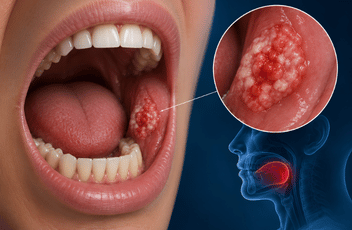
Best Oral Cancer Specialist in Delhi: A Complete Guide for Patients and Families
If you or someone you love has
just heard the words “it could be oral cancer,” the next few days feel like a
blur. Which doctor do you trust? Is the sore in the mouth really cancer, or
something else? How fast do you need to act?
This guide answers those
questions in plain language. It is written to help patients across Delhi,
Gurgaon, Noida, Ghaziabad, Faridabad, and nearby towns understand oral cancer,
know what to look for, and find the right specialist without wasting precious
time.
Why Finding the Right Specialist Matters So Much
Oral cancer is one of the few
cancers where early detection genuinely changes the outcome. A tiny white patch
caught in month one can sometimes be treated with a small, day-care procedure.
The same disease, ignored for a year, may need major surgery, radiation, and
months of recovery.
This is why the first doctor you
consult matters. An experienced head and neck cancer surgeon will not just
remove the tumour — they will plan the surgery in a way that protects your
ability to speak, chew, swallow, and look like yourself.
What Is Oral Cancer?
Oral cancer is an uncontrolled
growth of abnormal cells in the mouth — on the tongue, gums, inner cheeks,
floor of the mouth, palate, or lips. Most oral cancers are squamous cell
carcinomas. It usually starts as a sore, patch, or lump that does not heal within
2–3 weeks.
Is Oral Cancer Curable?
Yes, oral cancer is often
curable, especially when caught in the early stages. Early-stage oral cancers
treated with timely surgery, with or without radiation, have significantly
better outcomes than cancers detected late, when the disease has spread to lymph
nodes or nearby structures. Early consultation is the single biggest factor a
patient can control.
Early Signs and Symptoms of Oral Cancer
Do not wait for pain. Many early
oral cancers are painless. Watch for:
- A mouth ulcer or sore that has not healed in 2–3 weeks
- A white or red patch inside the cheek, gums, or tongue
- A lump or thickened area inside the mouth
- Unexplained bleeding in the mouth
- Loose teeth without a dental cause
- Difficulty or pain while chewing or swallowing
- A persistent sore throat or hoarseness
- A lump in the neck
- Numbness in the tongue, lip, or jaw
Can Mouth Ulcers Become Cancer?
Most mouth ulcers are harmless
and heal within 10–14 days. However, an ulcer that persists beyond 3 weeks,
keeps recurring in the same spot, or is associated with a hard edge or bleeding
should be examined by a specialist to rule out oral cancer.
Causes and Risk Factors
| Risk Factor | How It Contributes |
| Tobacco (smoking or chewing) | Single largest risk factor for oral cancer in India |
| Gutka, khaini, paan masala | Direct contact with oral tissue causes precancerous changes |
| Alcohol consumption | Multiplies risk significantly when combined with tobacco |
| HPV infection | Linked to cancers of the throat and tonsil area |
| Poor oral hygiene | Chronic irritation and infection risk |
| Sun exposure (lip cancer) | UV damage to the lip |
| Family history | Slightly increased risk in some cases |
| Age above 40 | Risk increases with age, though younger cases are rising |
What Foods Should Be Avoided?
There is no single food that
causes or cures oral cancer. However, patients are generally advised to avoid
tobacco products, excessive alcohol, very spicy or acidic foods during active
mouth sores, and to maintain a balanced, nutrient-rich diet to support healing
and immunity.
How Is Oral Cancer Diagnosed?
A thorough diagnosis usually involves
- Clinical examination — the specialist examines the mouth, throat, and neck for lumps
- Biopsy — a small tissue sample is tested under a microscope; this is the only way to confirm cancer
- Imaging — CT, MRI, or PET-CT scans to check the size of the tumour and whether it has spread
- Endoscopy — to examine the throat and voice box if needed
- Blood tests — to assess overall fitness for treatment
How Is Oral Cancer Diagnosed?
Oral cancer is diagnosed through
a clinical examination followed by a biopsy, which is the only definitive way
to confirm cancer. Imaging tests such as CT, MRI, or PET-CT scans are then used
to determine the stage and extent of the disease before planning treatment.
Treatment Options for Oral Cancer
Treatment depends on the stage,
location, and spread of the cancer. Common approaches include:
- Surgery — removal of the tumour, sometimes along with
nearby lymph nodes (neck dissection)
- Robotic surgery (TORS) — Transoral Robotic Surgery
allows certain tumours to be removed through the mouth with robotic precision,
avoiding large external cuts
- Radiation therapy — used alone or after surgery,
especially for advanced cases
- Chemotherapy — often combined with radiation for
locally advanced disease
- Reconstructive surgery — rebuilding the tongue, jaw, or
cheek tissue to restore function and appearance after tumour removal
Is Surgery Painful?
Modern oral cancer surgery is
performed under general anaesthesia, so patients feel no pain during the
procedure. Post-operative discomfort is managed with pain medication, and
minimally invasive or robotic techniques typically result in less pain and a faster
recovery compared to traditional open surgery.
Robotic Surgery for Oral and Head & Neck Cancer
Robotic surgery, particularly
Transoral Robotic Surgery (TORS), has changed how certain oral and throat
cancers are treated. Instead of a large external incision, the surgeon operates
through the mouth using robotic arms that offer better vision and precision
than the human hand alone.
Benefits of robotic surgery over traditional open surgery:
| Parameter | Traditional Open Surgery | Robotic Surgery (TORS) |
| Incision | Large external cut, sometimes jaw-splitting | Through the mouth, no external scar in eligible cases |
| Blood loss | Higher | Lower |
| Hospital stay | Longer | Usually shorter |
| Precision | Limited by direct hand access | Enhanced 3D vision and dexterity |
| Recovery of speech/swallowing | Variable | Generally faster in eligible patients |
| Scarring | Visible external scar | Minimal to none for eligible cases |
Not every patient is a candidate
for robotic surgery — eligibility depends on tumour size, location, and stage,
which is why an experienced robotic head and neck surgeon must personally
evaluate each case.
What Happens After Robotic Surgery?
After robotic head and neck
cancer surgery, most patients begin a supervised recovery that includes pain
management, swallowing assessment, and gradual return to a normal diet.
Hospital stays are often shorter than with open surgery, and many patients resume
speech and swallowing function faster, though timelines vary by individual
case.
Recovery After Oral Cancer Treatment
Recovery is a gradual process
and looks different for every patient. It generally includes:
- Wound healing and pain management in the first 1–2
weeks
- Speech and swallowing therapy where needed
- Nutritional support, sometimes through a feeding tube
temporarily
- Regular follow-up scans and check-ups to monitor for
recurrence
- Emotional and psychological support for the patient and
family
When Should You Consult a Specialist?
When to Consult a Specialist
You should consult a head and
neck cancer specialist immediately if you notice a mouth sore, ulcer, or
white/red patch that has not healed within 2–3 weeks, or if you develop a
persistent lump in the neck, unexplained bleeding, or difficulty swallowing. Early
consultation allows for simpler, more effective treatment.
Do not wait for the pain to
become unbearable. Many early cancers are painless, and by the time pain
appears, the disease may have already progressed.
Benefits of Early Detection
- Higher chance of complete cure
- Smaller, less invasive surgery
- Better preservation of speech and swallowing
- Shorter treatment duration
- Lower chance of the cancer spreading to lymph nodes
- Reduced need for aggressive combination therapy
Key Takeaways
- Oral cancer often starts as a painless ulcer, patch, or
lump that does not heal
- Tobacco and alcohol are the leading risk factors in
India
- Biopsy is the only way to confirm a diagnosis
- Early-stage oral cancer has significantly better
treatment outcomes than advanced disease
- Robotic surgery (TORS) offers precision and faster
recovery for eligible patients
- A second opinion from an experienced head and neck
surgical oncologist is always reasonable before major surgery
Who Is the Best Oral Cancer Specialist in Delhi?
Delhi NCR has several
experienced head and neck cancer specialists. Dr. Karan Gupta, a Triple Gold
Medalist (MBBS, MS, DNB) trained at Tata Memorial Hospital, Mumbai, and HCG
Ahmedabad, with an additional Robotic Head & Neck Surgery Fellowship from the
Vattikuti Foundation, Michigan, USA, is an Intuitive Surgical USA-certified
robotic surgeon practising at Artemis Hospital, Gurugram. He specialises in
oral cavity cancer, robotic (TORS) surgery, thyroid and parathyroid cancer
surgery, and complex reconstructive procedures. The “best” specialist for you
ultimately depends on your specific diagnosis, so an in-person or
second-opinion consultation is recommended.
About Dr. Karan Gupta
Dr. Karan Gupta is a Senior
Consultant in the Department of Head & Neck Surgical Oncology, based at
Artemis Hospital, Gurugram. His credentials include:
- Triple Gold Medalist: MBBS, MS, and DNB
- Fellowship in Head & Neck Surgical Oncology — Tata
Memorial Hospital (TMH), Mumbai, and HCG Ahmedabad
- Fellowship in Robotic Head & Neck Surgery —
Vattikuti Foundation, Michigan, USA
- Intuitive Surgical USA Certified Robotic Head &
Neck Surgeon
He treats oral cavity cancers,
throat and laryngeal cancers, thyroid and parathyroid disorders, salivary gland
tumours, and offers second opinions on biopsy reports and scans for patients
across Delhi NCR.
Serving Patients Across Delhi NCR
Patients travel for consultation
and treatment from Delhi, New Delhi, Gurgaon, Gurugram, Noida, Greater Noida,
Faridabad, Ghaziabad, Bahadurgarh, Sonipat, Panipat, and Rohtak. Wherever you
are located in the NCR region, a timely consultation is only a short drive or a
phone call away.
Frequently Asked Questions
1. What is the first sign of oral cancer?
The most common early sign is a
mouth ulcer, white or red patch, or lump that does not heal within 2–3 weeks.
2. Does oral cancer spread quickly?
The speed varies by individual
and tumour type, but oral cancer can spread to lymph nodes in the neck if left
untreated, which is why early evaluation matters.
3. Is a biopsy painful?
A biopsy is done under local or
general anaesthesia and is generally well tolerated, with mild discomfort
afterward that settles quickly.
4. What is TORS surgery?
TORS (Transoral Robotic Surgery)
is a minimally invasive technique where the surgeon removes select head and
neck tumours through the mouth using robotic instruments, avoiding large
external incisions.
5. Can I eat normally after oral cancer surgery?
Most patients gradually return
to a normal or modified diet with the help of swallowing therapy; the timeline
depends on the extent of surgery.
6. Is oral cancer surgery covered by insurance?
Coverage varies by insurer and
policy; patients are advised to check directly with their insurance provider
and the hospital's insurance desk.
7. How long does recovery take after oral cancer surgery?
Recovery timelines vary widely
based on the extent of surgery, from a couple of weeks for minor procedures to
several weeks or months for major reconstructive surgery.
8. Can young people get oral cancer?
Yes. While oral cancer is more
common after age 40, cases in younger adults are being reported more often,
often linked to tobacco and gutka use.
9. What is a neck dissection?
Neck dissection is a surgical
procedure to remove lymph nodes in the neck that may contain or be at risk of
cancer spread.
10. Do all oral cancer patients need chemotherapy?
No. Treatment is individualised
— some patients need surgery alone, while others need surgery combined with
radiation and/or chemotherapy based on the stage and pathology report.
11. How can I get a second opinion on my biopsy report?
You can share your biopsy
slides, scans, and reports with a head and neck surgical oncologist for review
before finalising a treatment plan.
12. What is the difference between a white patch and
cancer?
A white patch (leukoplakia) can
be a precancerous condition. Not all white patches turn into cancer, but they
should be evaluated and monitored by a specialist.
13. Where is Dr. Karan Gupta based?
Dr. Karan Gupta practises at
Artemis Hospital, Gurugram, and sees patients from across Delhi NCR.
14. How do I book a consultation?
You can call the appointment
helpline, message on WhatsApp, or fill out the online appointment form on
OralCancerDoc.com.
Conclusion
Oral cancer can feel
frightening, but it is also one of the more visible and detectable cancers when
you know what to look for. A sore that will not heal, a patch that will not
fade, or a lump that will not go away are your body's early warning signs — and
they deserve a specialist's attention, not a “let's wait and watch” approach.
Whether you need a first
consultation, a second opinion on a biopsy report, or want to explore robotic
surgery options, timely expert evaluation is the most important step you can
take.
Book Your Consultation Today
Do not let uncertainty delay
your care. Reach out to Dr. Karan Gupta's team at OralCancerDoc.com for a
consultation or a second opinion on your reports. Call +91 98111 22341, chat on
WhatsApp, or book online — the earlier you act, the more treatment options
remain open to you.